Skip to content
Indigenous Tourism
Telling Their Stories Their Way
By E. Lisa moses
Whether you dream about soaring with eagles, paddling with fish or howling with wolves, Canada’s Indigenous tourism industry has it all—and then some.
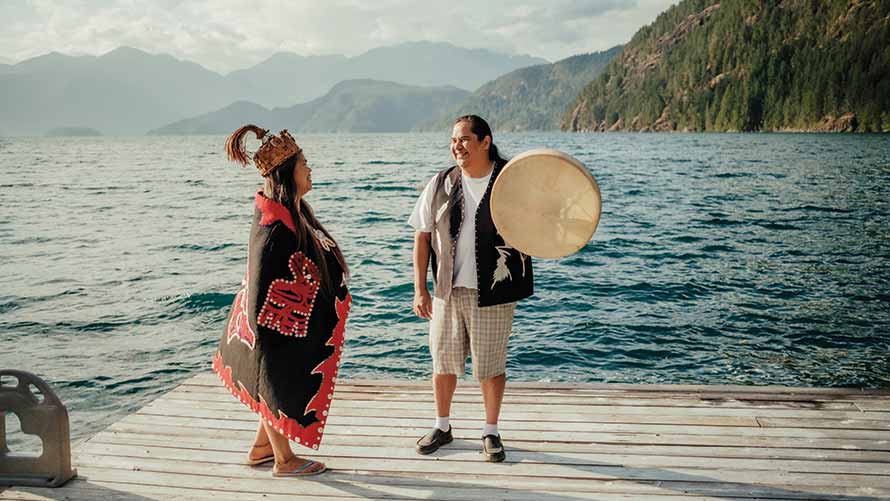
“Indigenous People today are not stuck in the past or in museums, but rather practicing and sharing their culture with the world,” says Keith Henry, President and CEO, Indigenous Tourism Association of Canada (ITAC).
Across Canada, there are over 2,750 Indigenous tourism businesses. These enterprises provide the economic backbone for their communities across the country while sharing authentic, memorable and enriching experiences with travellers (www.indigenoustourism.ca).
West
On the turbulent shores of the Pacific Ocean in British Columbia is the Great Bear Rainforest, the world’s largest intact temperate rainforest. Just a stone’s throw across the water is the base camp for Coastal Rainforest Safaris, where guests can reach out and touch nature—and benefit from cultural interpretation by an Elder and hereditary chief of the Gwa’sala-’Nakwaxda’xw First Nation (www.whalesandbears.ca).
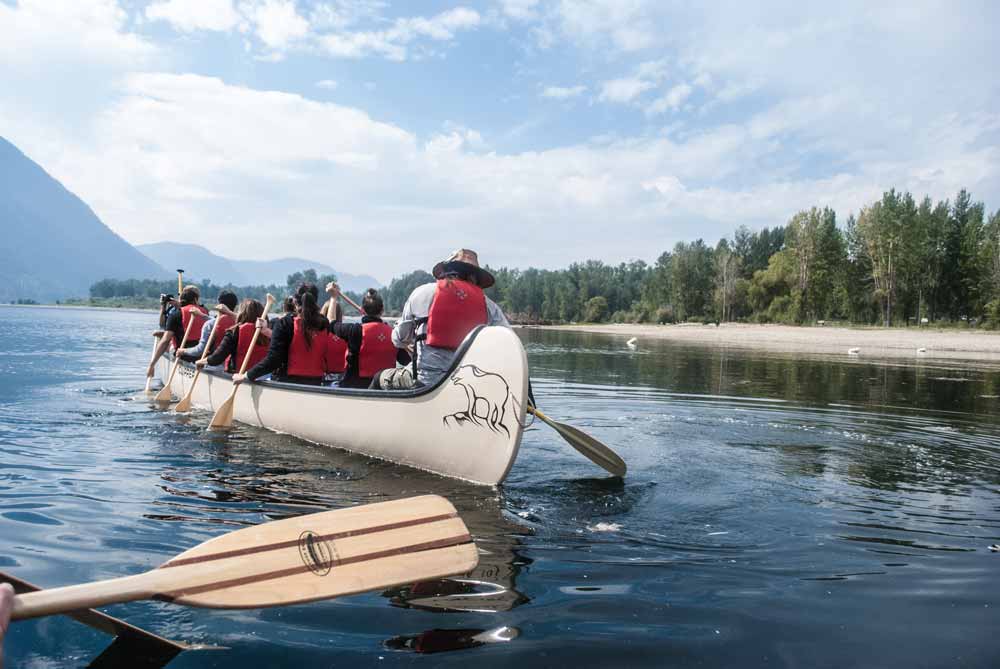
Just 116 km (72 mi.) north of Edmonton is Métis Crossing, Alberta’s first major Métis cultural interpretive centre. The centre engages in the learning of Métis art, paddling an authentic voyageur canoe and dancing the traditional Métis jig (www.metiscrossing.com).
At the museum in Fort McLeod, Alberta, visitors can view First Nations artefacts such as clothing and accessories, baskets, travois and hand tools. Nearby, a UNESCO World Heritage Site, Head-Smashed-in Buffalo Jump, recalls the days when Blackfoot warriors augmented their communities’ food supplies by driving plains bison over the cliff to their deaths and processing the meat (www.headsmashedin.ca).
Central
The Canadian Museum for Human Rights (CMHR) in Winnipeg, Manitoba, aims to make positive change by raising the public’s understanding of human rights, promoting respect for others and encouraging global dialogue about the issues. Set in a field of sweetgrass at the Forks of Manitoba’s Red River, the building’s architecture evokes ice, clouds and stone (www.humanrights.ca).
Saskatchewan’s Northern Plains People offer transformative experiences at Wanuskewin Heritage Park, just outside of Saskatoon. Monthly Han Wi Moon dinners feature interpretive walks across a landscape shaped by more than 6,400 years of Indigenous history, followed by a multi-course feast of bison, fish and foraged prairie ingredients (www.wanuskewin.com).
At the southern end of James Bay sits a former Hudson’s Bay Company (HBC) fur-trading outpost in Moose Factory, Ontario. Now a popular tourist stop, the original HBC staff house is part of a national historic site that commemorates the company’s early operations. The area is also home to the Cree Cultural Interpretive Centre, where visitors can learn about the fur-trading era through displays of artefacts, furs and photographs. Moose Cree Outdoor Discoveries and Adventures adds boat tours, cooking demonstrations and hunting and fishing expeditions (www.moosecree.com).
East
The largest freshwater island in the world, Manitoulin Island in Ontario, is home to six Anishinaabe First Nations that provide a rich cultural backdrop for tourists. One of these, the Wiikwemkoong, hosts the Annual Cultural Festival comprising one of North America’s longest-running powwows with colourful dance competitions, Indigenous cuisine and handmade arts and crafts. On their Unceded Journey tour, learn about historical treaties and awe-inspiring legends, including Zhibzhii, the underwater spirit (www.wiikwemkoong.ca).
In Ottawa, Ontario, the Summer Solstice Indigenous Festival is an interactive arts festival that attracts 60,000 annually. Highlights include First Nations, Métis and Inuit artists, Pow Wow competitions, culinary events and lots of family fun (www.summersolsticefestivals.ca).
Within the vast province of Québec, there are more than 200 uniquely enriching opportunities to experience the protective values of the Indigenous cultures and heritage, intertwining art, culture, gastronomy, nature and adventure. Discover the variety of customs and history transmitted by Elders from generation to generation, sharing a rich culture of authentic, ancestral and contemporary traditions (www.discoverindigenousquebec.com).
Atlantic Canada
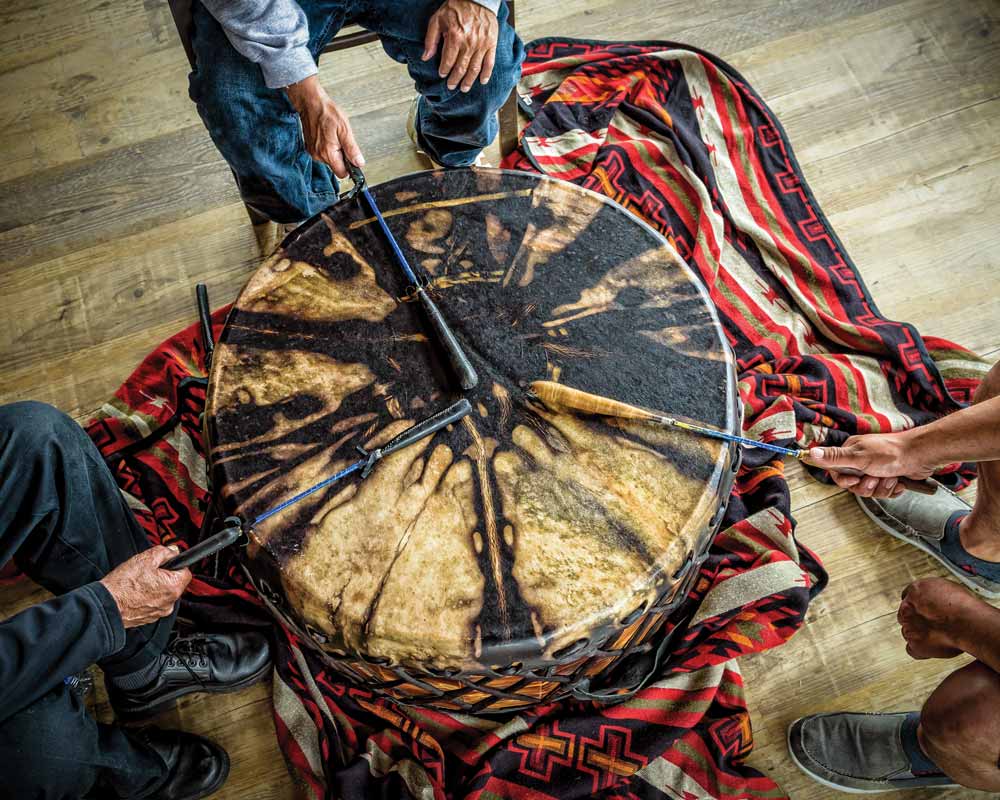
In Newfoundland and Labrador, the Torngat Mountains Inuit-led Base Camp & Research Station offers wildlife viewing reputedly unlike anything in the world. This includes adventurous treks such as Wolf and Caribou Adventures (www.thetorngats.com). For tamer pursuits, on Prince Edward Island’s Lennox Island, take home more than memories: make a traditional Mi’kmaq hand drum, create a birchbark art piece with porcupine quills or prepare Bannock cooked in the sand while listening to stories of traditional life on Lennox Island (www.lennoxisland.com).
New Brunswick invites guests to participate in Indigenous festivals and learn more about the province’s First Nations by embarking along the Pow Wow trail all summer. Discover traditional artefacts and practices at Metepenagiag Heritage Park, which houses a prehistoric Mi’kmaq village with displays of archaeological findings that provide glimpses into ancient times. The Augustine Mound, a cemetery dating back beyond 600 BC, adds to the mystery and history (www.tourismnewbrunswick.ca/indigenous).
Across the bay in Nova Scotia, Elders share stories about creation at the Wagmatcook Culture and Heritage Centre (www.wagmatcook.com). And in Membertou, just outside Sydney, the Mi’kmaq Medicine Walk is an educational stroll through the medicinal practices used by their ancestors. It includes a dream catcher workshop and the breaking of traditional luskinikn bread (www.membertoutcc.com).
North
To explore Canada’s Arctic waters in comfort, book a passage aboard an Adventure Canada cruise ship. Photograph polar bears and the aurora borealis from the deck, go ashore at Mittimatalik for an Inuit welcome and visit the Franklin graves on Beechey Island (www.adventurecanada.com).
In late June, Yukon’s Kwanlin Dün Cultural Centre hosts the popular annual Adäka Cultural Festival, which showcases the arts and customs of Yukon First Nations and Indigenous artists (www.adakafestival.ca).
The Northwest Territories boasts some of the world’s best viewing of the other-worldly aurora borealis. Watch the show from B.Dene Adventures’ cosy cabin on the shores of Great Slave Lake, or at Aurora Village in Yellowknife from the comfort of a teepee.
Nunavut offers unusual wildlife and Arctic experiences. Trekkers wanting to live the life can go winter camping like Inuit families, hunt exotic big game or simply put their feet up at one of the area’s lovely wilderness lodges.
Canada’s Indigenous People have created spirited and spiritual journeys through their history and culture, carrying on the traditions of millennia. By educating guests with original stories and homegrown experiences, they send positive vibes to the world. And that is good medicine for the soul (www.theoriginaloriginal.ca).